
Wearable buying guide
Best Wearable Tech 2026: Smartwatch & Fitness Guide
Choose a wearable by the features that genuinely fit your phone, routine, health goals, and budget—then use our specialist guides to compare the right options.
Start with the right type of wearable
There is no single best wearable for every person. The useful choice depends on whether you prioritise phone integration, exercise data, sleep tracking, long battery life, outdoor durability, or a lower price.
Best Smartwatches of 2026
Start with the broad comparison when you need an all-round smartwatch recommendation.
Open guideBest Android Smartwatches
Focus on Android-friendly watches, app support, and the features that work best with your phone.
Open guideBest Budget Smartwatches
Compare useful everyday features without paying for extras you will not use.
Open guideBest Rugged Smartwatches
Look for a build and feature set that makes sense for training, travel, and tougher conditions.
Open guideHow to choose a wearable with confidence
Use this short checklist before comparing specific models. It helps you avoid paying for impressive-sounding features that will not improve your everyday experience.
Check phone compatibility
Confirm that the watch supports your mobile operating system and that its companion app delivers the notifications, payments, calls, and health features you expect.
Choose your core use
Decide whether the wearable is mainly for everyday alerts, structured workouts, outdoor activities, sleep insights, or a combination of these tasks.
Plan for charging habits
A feature-rich watch can be worthwhile, but only if its charging rhythm fits your routine. Consider how often you are willing to recharge it.
Match fit and durability
Comfort matters for all-day and overnight wear. Choose a size, band, water resistance level, and construction that suit your daily environment.
Compare the full cost
Look beyond the upfront price. Accessories, replacement bands, optional subscriptions, and a phone upgrade can all affect the total cost of ownership.
What our smartwatch research covers
The individual guides compare the trade-offs that matter in real use, including software support, display and controls, fitness features, battery expectations, comfort, durability, and overall value.
Health and fitness data can be useful for noticing patterns, but it is not a substitute for medical advice or diagnosis. Where a feature is important to a buying decision, check the exact model specifications and supported regions before purchasing.
For the most useful comparisons, move from this overview to the guide that reflects your phone and use case. That keeps the recommendation specific instead of trying to force one watch to fit every reader.
Latest smartwatch research
Recent published smartwatch entries from Smart Gear Select.
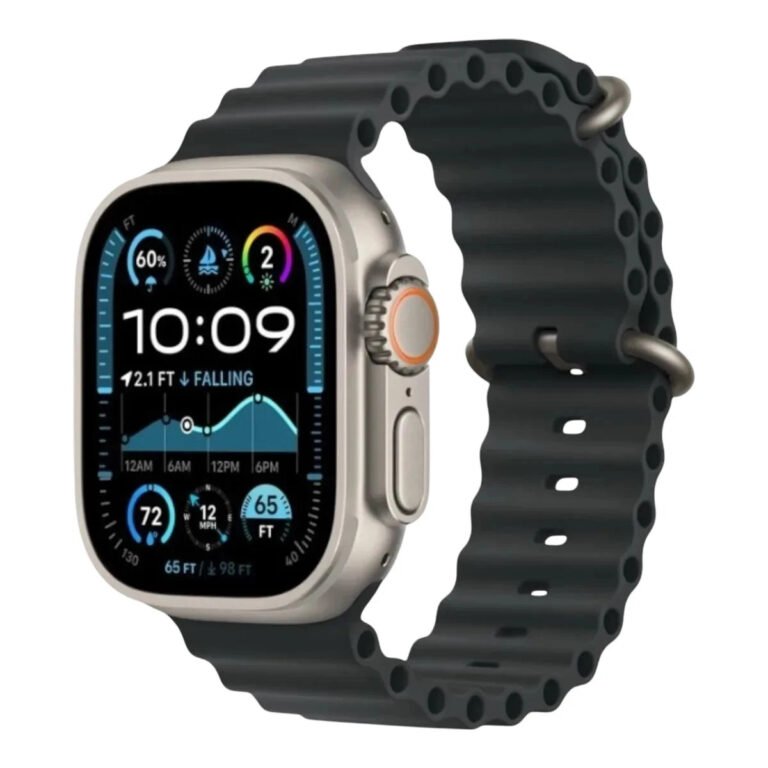
Apple Watch Ultra 2 Review – Rugged Smartwatch for iPhone Users
Apple Watch Ultra 2 review for 2026: rugged titanium construction, dual-frequency GPS, diving support and up to 36 hours of normal use. See if it is still worth buying now that Ultra 3 is available.
Read article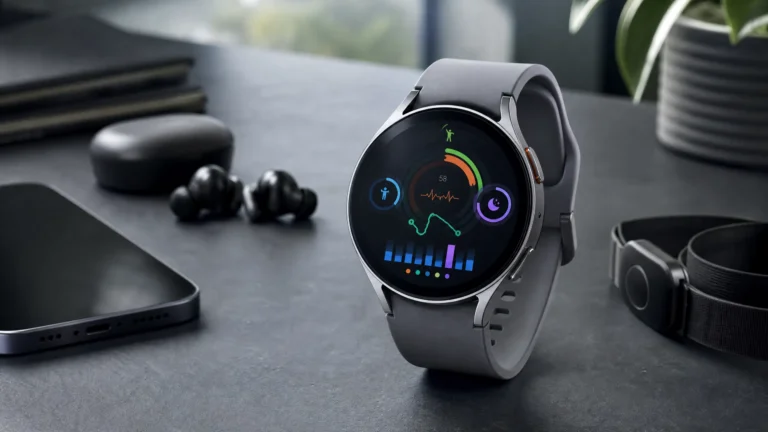
Samsung Galaxy Watch 7 Review 2026: Best Android Smartwatch You Can Buy?
Research note: This is a research-based review using current Samsung specifications, official documentation, regulatory information, and comparative product research. Smart Gear Select is not presenting this article as original hands-on laboratory testing. By: Arif Bukera, Tech Lead, Smart Gear Select Last updated: August 2026 Category: Smartwatches / Wearables Quick Verdict The Samsung Galaxy Watch 7 […]
Read article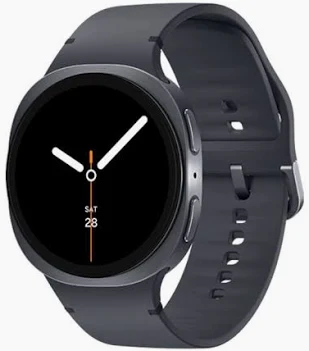
Samsung Galaxy Watch 8 Review (2026): Best Android Smartwatch Overall?
Smart Gear Select Editorial Score: 9.1/10 Recommendation: Best All-Round Android Pick The Samsung Galaxy Watch 8 is one of the most complete Android smartwatches available in 2026. It blends premium materials, a refined design, Wear OS 6, and a broad health and wellness feature set into a package that feels well-rounded rather than overly specialized. […]
Read articleWearable tech questions
Should I choose a smartwatch or a fitness tracker?
Choose a smartwatch when phone integration, apps, notifications, calls, and a larger display are important. A fitness tracker can make more sense when you want a lighter device focused on basic activity, sleep, and health trends.
How important is battery life?
It is important when you plan to use sleep tracking, long workouts, travel, or navigation. Decide what charging frequency is realistic for you before treating other features as a priority.
Can wearable health data replace a doctor?
No. Wearables can help you observe trends and support routine tracking, but they are not a diagnostic tool. Seek qualified medical advice for health concerns.